Small Morning Moments, Big Family Connections
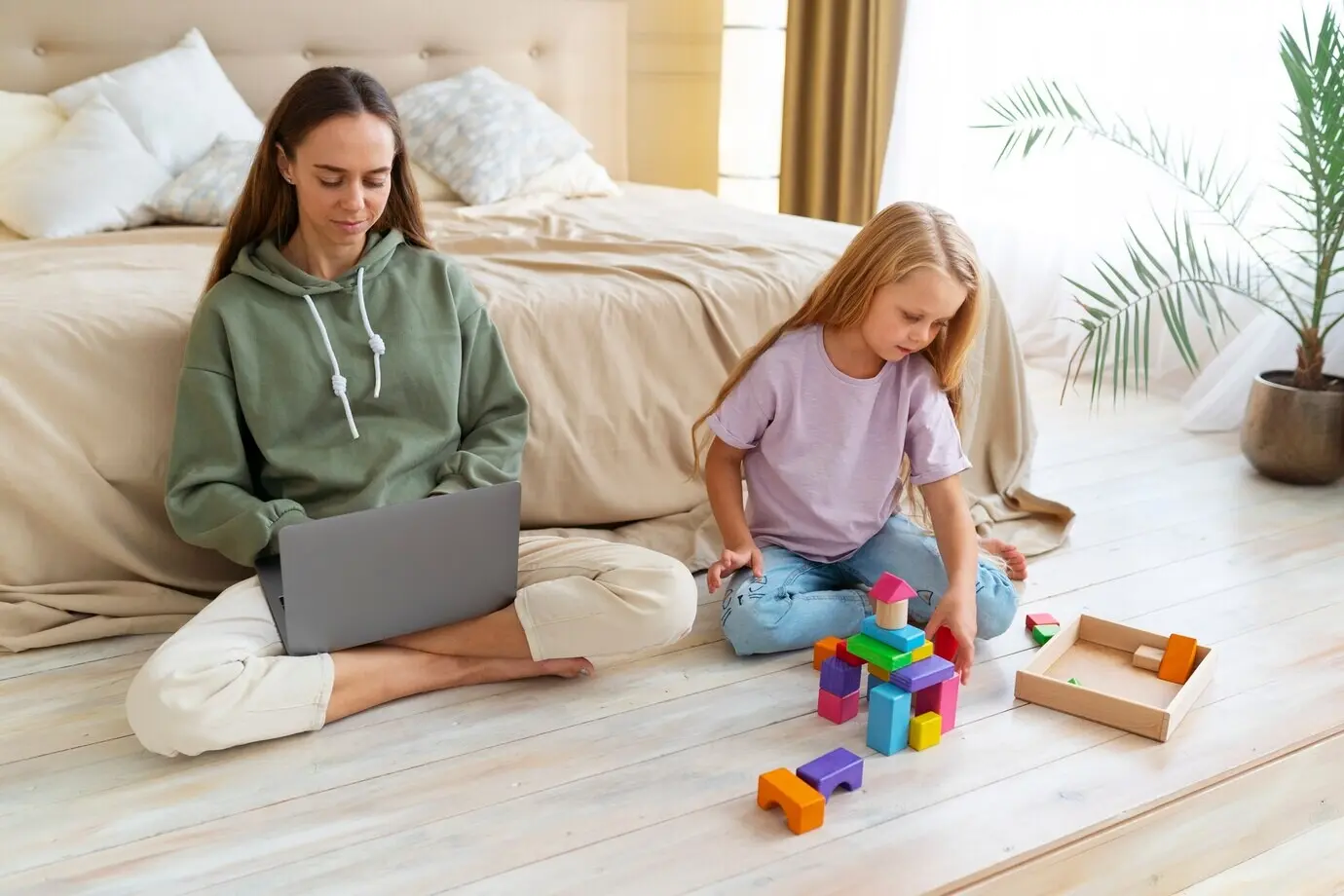
Today we’re diving into micro-moments that boost parent–child bonding during busy mornings. Between alarms, backpacks, and coffee, we’ll find tiny, repeatable rituals that fit inside real life, lower stress, and build trust. Expect playful ideas, science-backed nudges, and gentle reframes you can try tomorrow—then share what worked and what you want help with next.

The 60-Second Eye Contact Ritual

Before shoes or screens, kneel to their height, hold soft eye contact, and share one sentence of appreciation about yesterday. Sixty seconds signals safety, steadies breathing, and sets a tone that can carry through traffic, spelling lists, and last-minute sock hunts.

Naming the Morning

Invite your child to name the morning with a playful headline: “Pancake Power Tuesday” or “Sneaker Sprint Thursday.” Shared language anchors attention, reduces nagging, and turns routine steps into a tiny co-authored story you can reference during transitions and goodbyes.

Pocket Notes

Slip a doodle or two-line message into a pocket or lunchbox naming one strength you noticed. Children often reread small notes when worries spike, letting your morning voice travel with them and transforming ordinary paper into portable reassurance throughout the day.

Two-Song Kitchen Dance

Press play on two upbeat songs while packing bags. Keep moves simple, inclusive, and safe near counters. When you laugh at your own awkward shuffle, you model courage and flexibility, sending the message that mornings can hold joy alongside responsibility.

Mirror Stretches

Face each other and copy slow reaches, shoulder rolls, and yawns, pausing to notice sensations. Matching movements strengthens attunement, a playful expression of “I see you.” It also nudges sleepy muscles awake without pressure, which can help sensitive nervous systems ease in.

Hallway High-Five Gauntlet

Line the hallway with silly checkpoints: a spin by the plant, a hop over a shoe, a high-five at the doorframe. These quick wins turn transitions into a game, keeping bodies moving forward while moods stay light and connected.

Connect Through Movement

Movement clears sleepy cortisol and makes directions land better. Pick playful motions that fit tiny windows: a wiggle while toast browns, a stretch while the kettle sings. Shared motion synchronizes rhythms, lifts moods, and leaves a memory your child’s body can recall.

Three-Question Commute

Try a rotating trio: “What are you curious about today? Where might you need help? How will you help someone?” Predictable questions lower anxiety, reveal values, and make even a three-minute walk feel like togetherness that echoes after drop-off.

Weather Window

Stand by a window and name two details you notice in the sky, then ask your child for one. This gentle shared focus grounds attention in the present, so instructions land easier and imaginations are sparked without rush or pressure.

Breakfast as a Bond Builder

Food is already on the schedule, so let it carry connection. Involve little hands with safe choices, swap commands for invitations, and tell a small story while stirring. Shared tasks and sensory experiences turn ordinary bites into memory-rich anchors.

The Topping Choice

Offer two toppings and ask your child to be “chef” for final assembly. Choosing gives agency without stalling the clock. While sprinkling berries or seeds, narrate something you appreciate about their effort yesterday, linking nourishment with being seen and valued.

Sizzle and Story

Describe the sounds and smells happening as you cook, then weave a tiny origin tale for the meal. Sensory narration helps children regulate and builds language, while shared imagination invites giggles that make bites easier for hesitant eaters.

Gratitude Grain

Place a small jar by the table. Each morning drop a dry grain, bean, or paper heart after saying one specific gratitude. Watching the jar fill is a visual record of care woven into everyday life, especially helpful during tougher weeks.

Technology That Helps, Not Hinders

Use tech as a quiet assistant, not the morning boss. Gentle timers, curated playlists, and intentional photos can reduce conflicts and preserve small wins. Keep screens off faces and on tools that support rhythm, relationships, and realistic time awareness.

Timer with Heartbeats

Set a two-minute visual timer shaped like sand or color, then place your hand over your child’s and count three slow heartbeats together before starting. It humanizes countdowns, linking time with warmth rather than pressure or raised voices.

Photo-of-the-Day

Snap one playful photo after coats are on, not before. Rotate who chooses the pose. A tiny gallery of real-life mornings celebrates progress, normalizes mess, and gives you both a touchpoint later to remember teamwork, even on chaotic days.

Playlist with Purpose

Build a four-song sequence that maps to routine steps. When the second chorus hits, shoes go on; by the final bridge, the door opens. Music externalizes structure, reduces nagging, and makes departures feel like shared choreography instead of constant reminders.
Reset Breath Together

Place your hands on bellies and slowly smell imaginary hot cocoa, then cool it with a longer exhale. Name one thing you can control next. Breathing together rewires the moment, moving bodies from alarm toward steadier connection in seconds.

Repair on the Go

If voices get sharp, try a brief apology before buckling: “I spoke too fast; let’s start fresh.” Quick repair protects trust and models accountability. It matters more than perfect wording, especially during rushed days when everyone feels stretched.

Goodbye That Sticks

Create a tiny goodbye code—two squeezes, a wink, a palm press through the car window—so your child can recall it later when worries rise. Predictable partings reduce anxiety and keep connection alive until your reunion, no matter the morning’s chaos.

Tomapalerililupire
Privacy Overview

This website uses cookies so that we can provide you with the best user experience possible. Cookie information is stored in your browser and performs functions such as recognising you when you return to our website and helping our team to understand which sections of the website you find most interesting and useful.