Calm on the Move: Helping Kids Settle in Busy Spaces

We’re exploring quick calming techniques for kids in public places—simple, respectful strategies you can use in lines, lobbies, buses, and crowded stores. Learn playful grounding, sensory resets, co‑regulation, and movement ideas that work fast without shaming, so everyone leaves feeling capable, connected, and safe.

Fast Grounding When Crowds Feel Loud
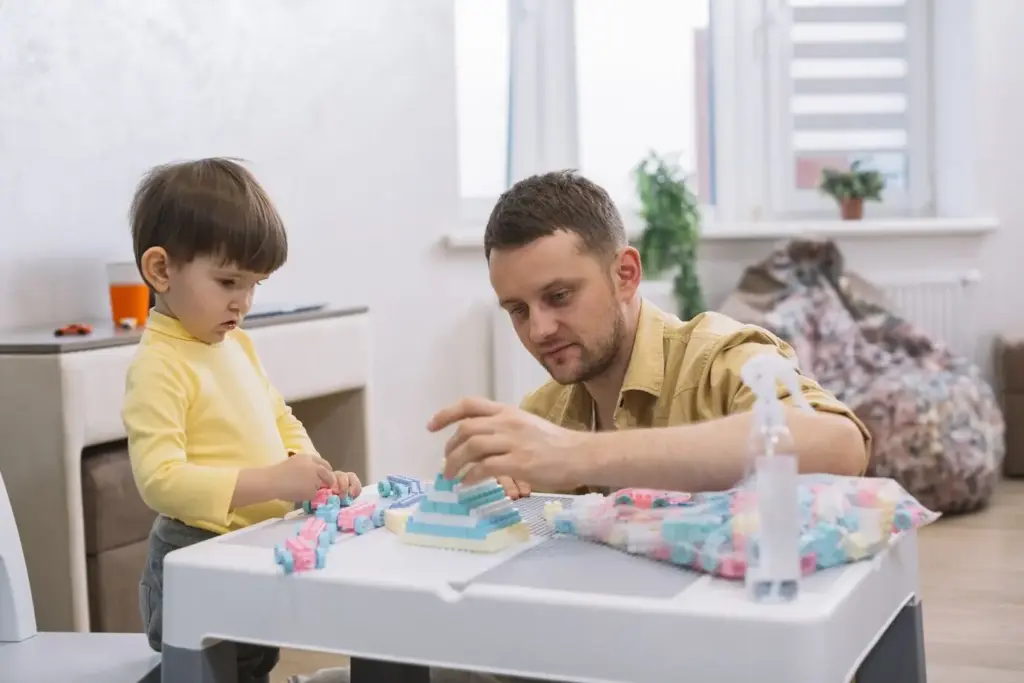
When a space gets noisy, bright, or unpredictable, kids can feel their bodies flood with energy and worry. Fast grounding aims attention at the here and now using senses, small games, and gentle choices. Tried in supermarkets, stadium entrances, and pharmacies, these ideas help kids notice something steady, regain control, and feel supported rather than scolded or rushed.

Breath Kids Actually Want to Try
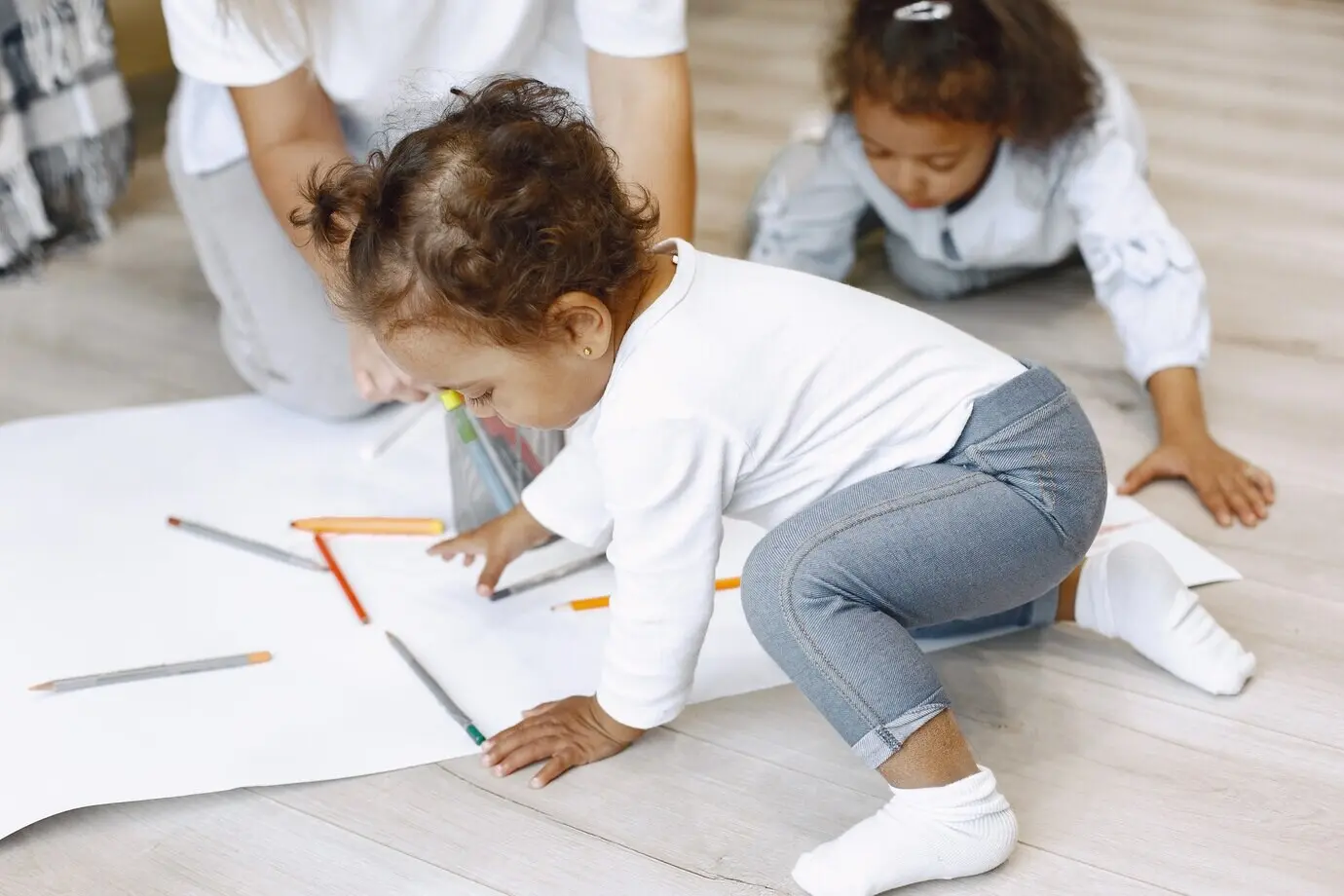
Breathing works best when it feels imaginative, brief, and embodied. Longer exhales can signal calm to the nervous system, yet kids need stories and visuals to join in. These quick breaths use pretend play, tracing, and shapes found around you. Try them while seated, waiting, or walking a few steps aside, modeling with your own calm rhythm and soft voice.

Move Without Disruption

Bodies crave movement when stress spikes. Micro‑moves satisfy that need without disturbing others or breaking rules. These ideas use isometrics and subtle proprioceptive input to release energy and restore a sense of inside‑body control. They fit sidewalks, museum corridors, buses, and checkout lanes. Practice during calm moments first, then call on them quickly when a setting suddenly feels too much.

Your Steady Nervous System Is the Shortcut
Voice, Eyes, and Breath: The Silent Invitation

Keep your tone low and warm, like soft jazz under conversation. Blink slowly, nod gently, and let your exhale be audible but quiet. Children track these cues faster than explanations. Instead of “Calm down,” try silent modeling: breathe, soften, wait. This nonverbal invitation lowers pressure and shows exactly what to do, removing shame while offering concrete, embodied leadership in the moment.

Name It, Normalize It, Offer Choice

Keep your tone low and warm, like soft jazz under conversation. Blink slowly, nod gently, and let your exhale be audible but quiet. Children track these cues faster than explanations. Instead of “Calm down,” try silent modeling: breathe, soften, wait. This nonverbal invitation lowers pressure and shows exactly what to do, removing shame while offering concrete, embodied leadership in the moment.

Tiny Rituals That Travel Anywhere

Keep your tone low and warm, like soft jazz under conversation. Blink slowly, nod gently, and let your exhale be audible but quiet. Children track these cues faster than explanations. Instead of “Calm down,” try silent modeling: breathe, soften, wait. This nonverbal invitation lowers pressure and shows exactly what to do, removing shame while offering concrete, embodied leadership in the moment.

Pocket Sensory Kit That Passes Security

Pack a fabric swatch, a tiny putty tin, a smooth stone, and sugar‑free mints. A short straw can focus breath quietly. Keep everything in a clear pouch to speed security checks. Label with a name to reduce confusion. Each item offers a different sensory doorway back to calm, letting kids choose the path that suits their bodies and the moment.

Visual Helpers in Two Cards

Create two wallet cards: one with pictures of three quick choices, the other with a simple step sequence for leaving and returning. Visuals cut through noise and stress faster than speech. Laminated cards survive spills and rain. Kids love flipping to their favorite option and pointing. This shared reference supports independence while keeping communication warm, efficient, and highly respectful in public settings.

Gentle Sound Shields for Overwhelm

Foam earplugs or child‑sized noise‑reducing headphones lower the volume without isolating a child from essential cues. Introduce them at home first so the sensation feels familiar. Pair with a calm signal, like a thumb tap. Lower sound levels can immediately reduce reactivity, giving space for breathing or grounding games. Always check fit, comfort, and venue rules before use to ensure cooperation.

Small Tools, Big Relief

A pocket‑sized kit prevents small struggles from ballooning. Choose items that are safe, discreet, and acceptable in most venues. Think textures, scents, and visuals that ground attention in seconds. Rotate occasionally to keep novelty alive. Always consider sensory preferences and age appropriateness. What soothes one child may annoy another, so involve kids in curating their tiny comfort collection.

Real‑World Scripts and Boundaries

Kind words and clear limits can coexist. Scripts reduce mental load when stress is high, while boundaries keep everyone safe and respected. These examples encourage cooperation, not compliance at any cost. Adjust language for age and neurotype. If you try one, tell us what happened and what you adapted—we’ll learn together and celebrate the small wins that make public outings easier.

Waiting in Lines Without Meltdowns

Try: “Lines are slow. We’ll play a color hunt. If your body gets too buzzy, we’ll step aside for two minutes, then return.” Set a clear plan upfront, including the exit and re‑entry. Offer a job—holding the list or counting items. Jobs add purpose, which decreases fidgety frustration and transforms a passive wait into an achievable mission kids can own proudly.

Restaurants That Feel Respectful For Everyone

Begin with expectations: “We’ll stay until the fries arrive. If it’s too loud, headphones and a menu‑picture game.” Seat near a wall, offer a quiet fidget, and plan a bathroom walk halfway through. Thank staff for patience. When a child is seen and supported, meals become practice for real‑world self‑regulation, not tests of endurance that everyone dreads before ordering water.
Tomapalerililupire
Privacy Overview

This website uses cookies so that we can provide you with the best user experience possible. Cookie information is stored in your browser and performs functions such as recognising you when you return to our website and helping our team to understand which sections of the website you find most interesting and useful.