Tiny Tools, Big Feelings: Calm Coaching for Busy Parents
Quick Regulation Routines for Chaotic Moments
Connection in Transit: Building Bonds Between Stops
Evidence and Insight: Why Micro-Practices Work
{{SECTION_SUBTITLE}}

The 90-Second Emotion Wave Explained
Polyvagal-Friendly Cues You Can Use
Real-Life Stories from the Carpool Lane
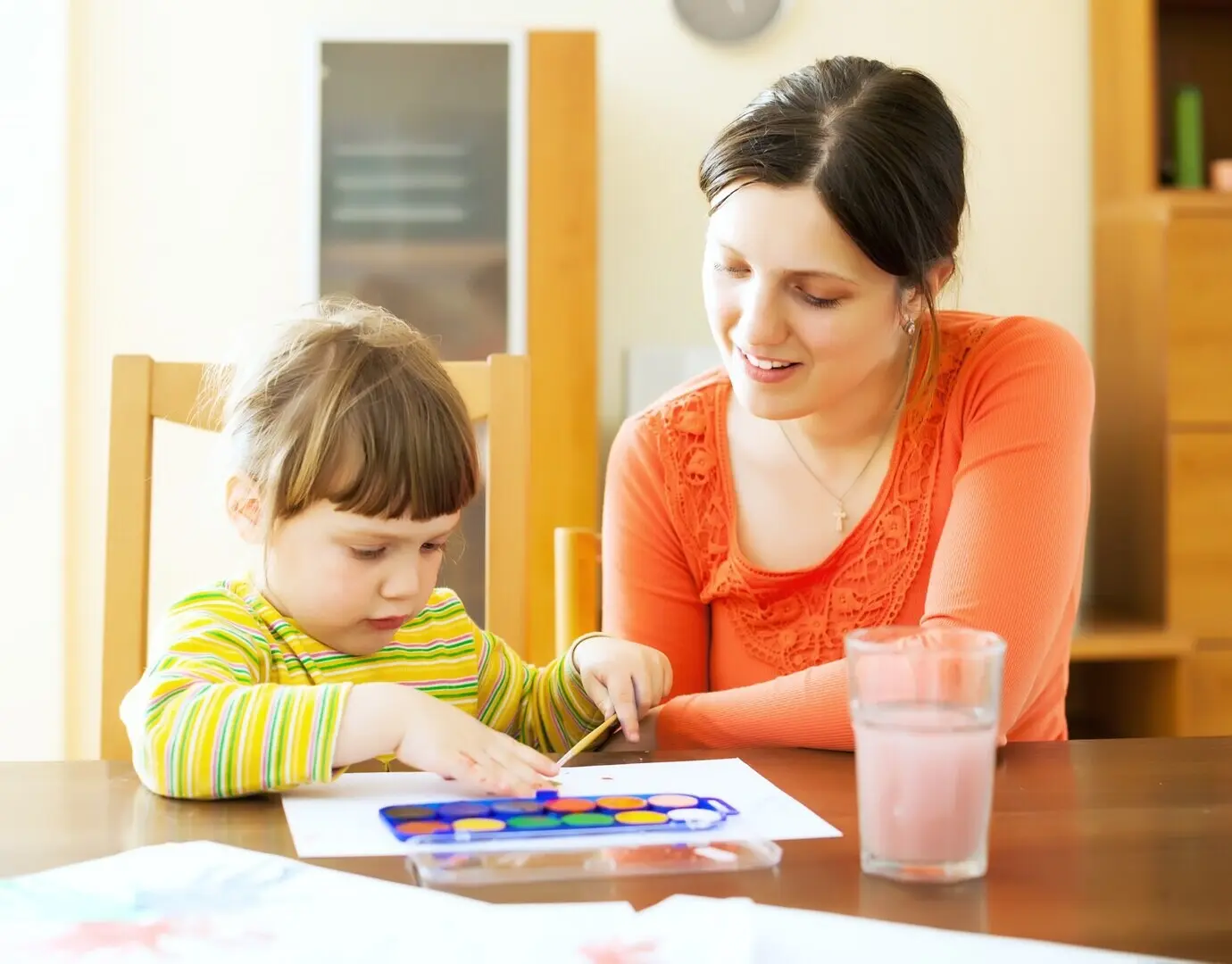
Teach-and-Model: Coaching Kids While Coaching Yourself
Name It to Tame It, Together
Use simple, precise language: “My shoulders feel tight; I think I’m anxious about timing.” Invite your child: “What does your body say?” Then both choose a tiny tool, like the two-breath reset. Co-labeling reduces shame and clarifies needs. Over time, shared vocabulary shortens conflicts, speeds recovery, and lets everyone request support before frustration explodes into tears or silence.
Repair Rituals After Rough Moments
Keep a stocked phrase ready: “I didn’t like how I spoke. I’m sorry, I’m practicing.” Pair with a grounding touch if welcome, then a short action: two breaths together or gratitude chain. Repairs teach accountability without heaviness. Kids learn that relationships bend and rebound, that love is active, and that practice matters more than perfection after difficult moments.
Playful Practice Using Household Objects
Turn a spoon into a slow-breath baton, a sticky note into a feeling ticket, or a keychain into a calm token. Play strengthens learning through novelty and repetition. By embedding exercises in familiar objects, you reduce resistance and improve recall under pressure. Simple props create continuity, making emotional coaching feel accessible, fun, and fully integrated into everyday environments.